
Proliner packages: define the countertop work before comparing interior capabilities
Prodim’s stone-industry page distinguishes templating, interior and more advanced interior application packages.
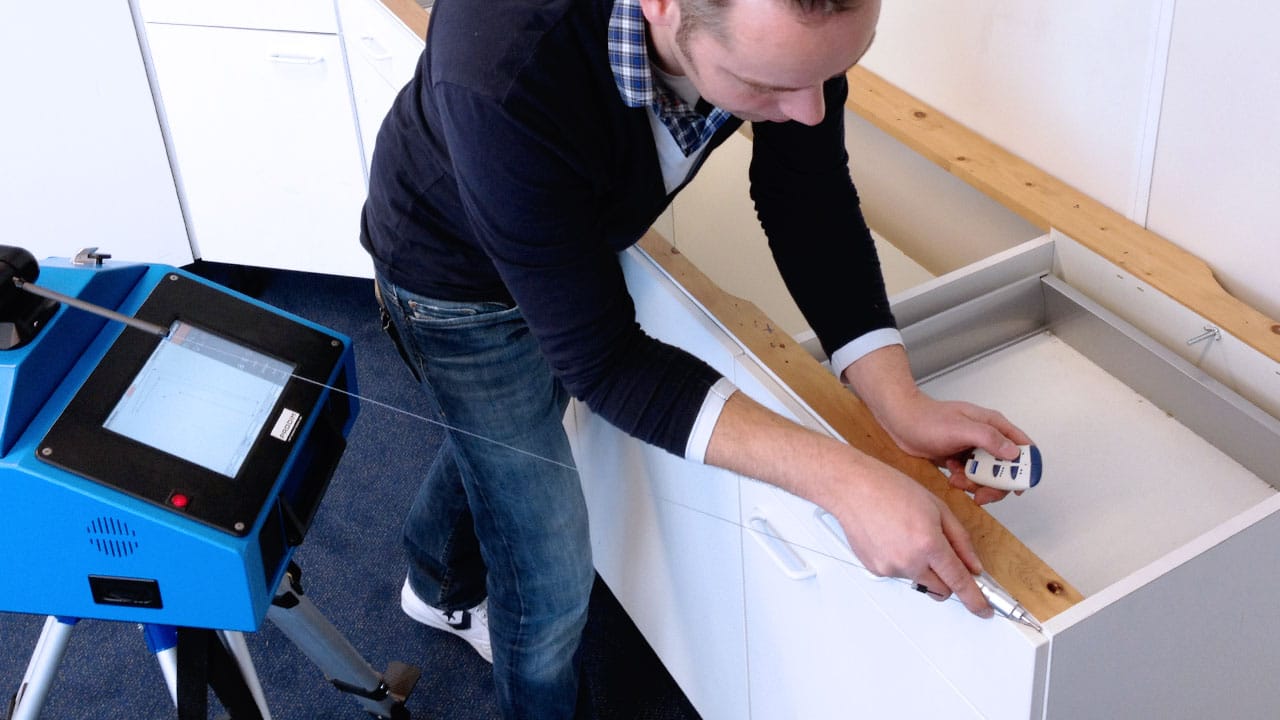
Prodim’s stone-industry page distinguishes templating, interior and more advanced interior application packages.
Prodim’s stone-industry page distinguishes templating, interior and more advanced interior application packages. Its illustrations include countertops, bathrooms and stairs. Those examples suggest a useful starting point for a purchase discussion: define the work the shop actually intends to accept.
Compare jobs instead of package names
Build a short list of representative projects. A simple kitchen, an unusual wall condition and a more complex interior feature may require different information from the field. Ask the supplier to explain which proposed configuration supports each project and why.
Record the software, accessories and training in the answer. Do not assume that an image of a staircase establishes that the quotation includes every capability needed to template one.
Keep expansion deliberate
A business entering unfamiliar work should decide who will review the first projects and how the production team will interpret the files. The purchase discussion should include those people, not only the employee who will carry the instrument.
An application package is useful when it matches the shop’s scope and the handoff can be demonstrated. Extra capabilities can be valuable, but only when someone understands how they will be used. This article is a planning analysis of the manufacturer’s package presentation, not a technical specification or a claim that a particular configuration has passed an independent measurement test.
Original editorial analysis of the linked public sources. No firsthand interview, event attendance or independent product test is claimed. Historical source dates describe the source; the publication date above records this article.
Editorial approach & corrections →