TISE 2026: three kinds of stone education to bring back to the shop
TISE’s February 2026 post-show report describes SFA’s Cage demonstrations, Natural Stone Institute theater programming and an ISFA Learning Lab.
TISE’s February 2026 post-show report describes SFA’s Cage demonstrations, Natural Stone Institute theater programming and an ISFA Learning Lab.
TISE’s February 2026 post-show report describes SFA’s Cage demonstrations, Natural Stone Institute theater programming and an ISFA Learning Lab. Together, these offer three useful research directions: practical demonstrations, material knowledge and business questions around fabricated surfaces.
Assign a different question to each setting
A demonstration is a chance to understand the sequence being shown and identify the documentation needed afterward. A material session can help an employee recognize what they still need to verify before specifying or fabricating a surface. A business discussion can expose an unresolved responsibility inside the shop.
Those are different outputs. Sending one employee to collect brochures from everything can leave the company with a large pile of information and no agreed decision.
Use a return-to-shop note
Ask an attendee to record one observation, one supporting source and one proposed next action. Mark anything that remains a supplier claim or an unanswered question. Include the event year and session identity so a later reader can find the correct program.
Review the notes with the people who would be affected. A practice shown at an expo may need qualified assessment, training or a different setup before it applies locally. A short demonstration is not an operating manual.
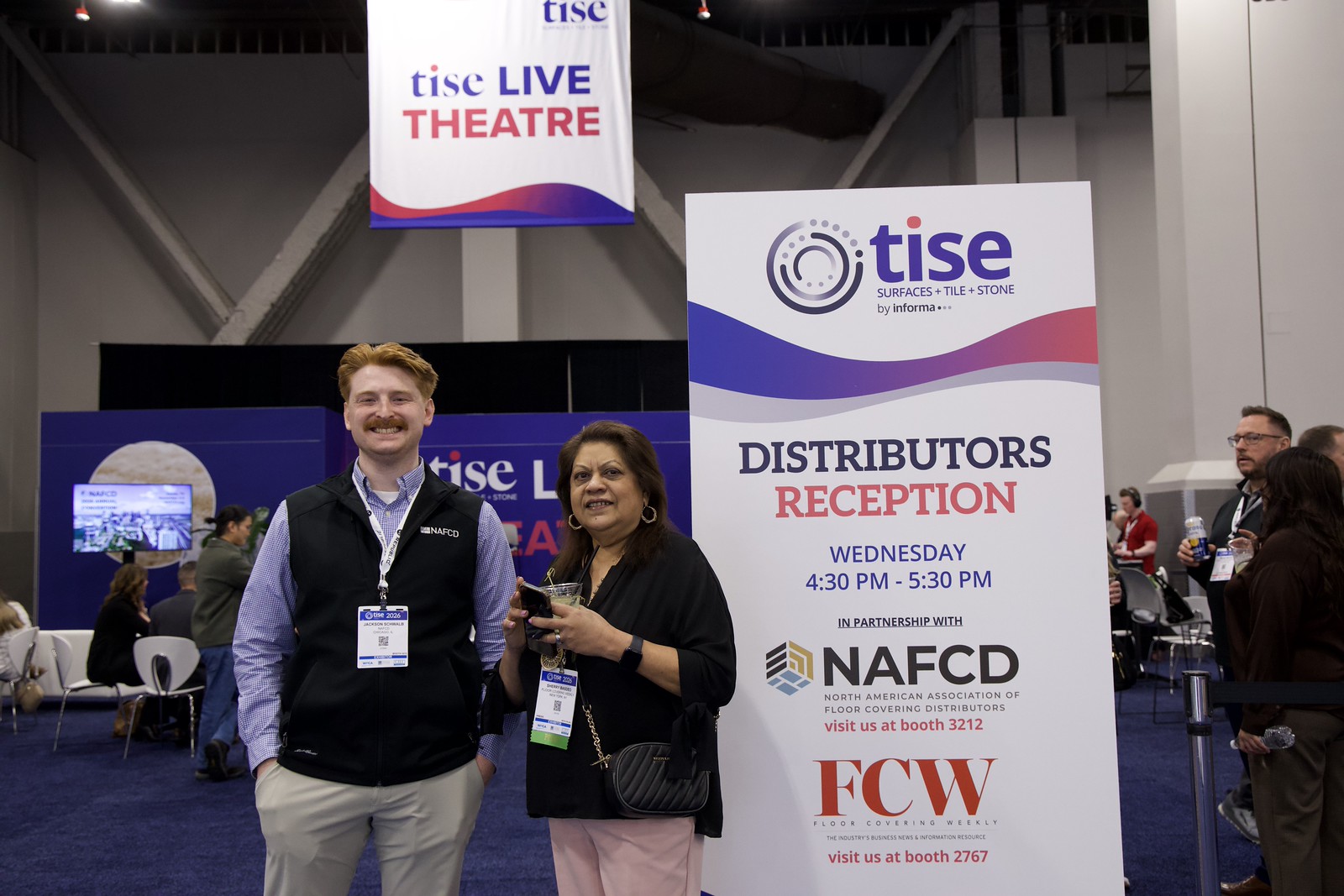
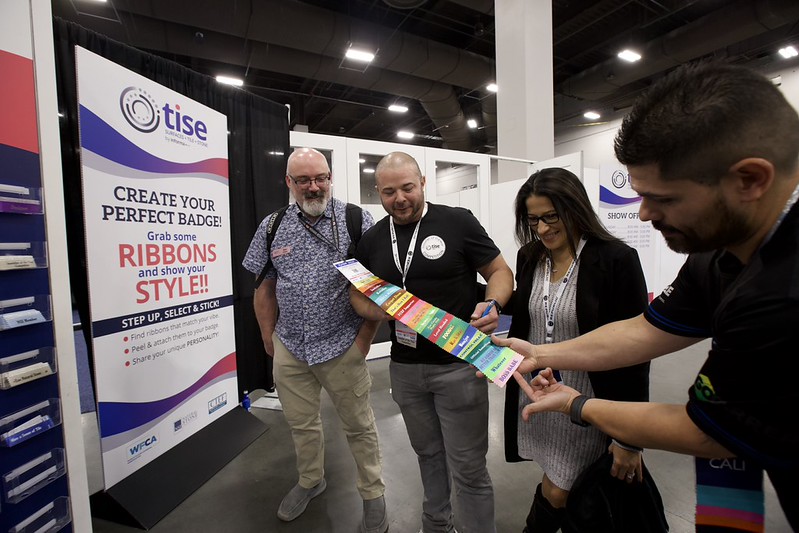
This is a retrospective analysis of the organizer’s account. The accompanying official event photograph supplies context; it is not evidence that our publication attended a session or tested any featured equipment.
Original editorial analysis of the linked public sources. No firsthand interview, event attendance or independent product test is claimed. Historical source dates describe the source; the publication date above records this article.
Editorial approach & corrections →