Evolution Marble & Granite: giving different saws different jobs
Park’s Union, New Jersey shop story connects capacity growth with a division of production work.
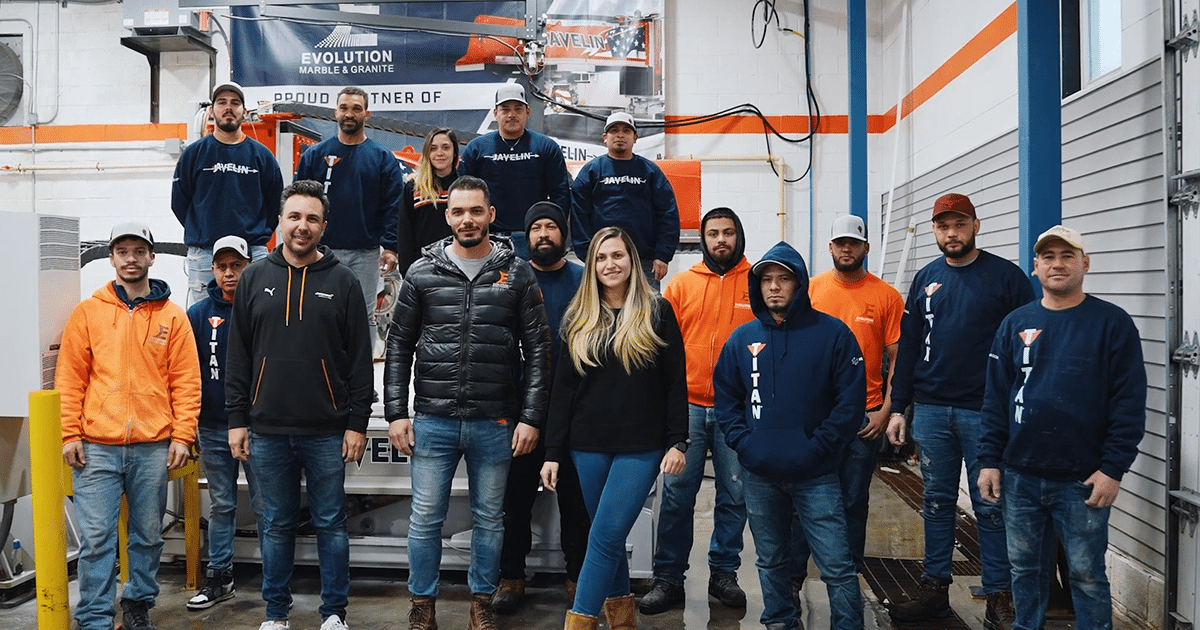
Park’s Union, New Jersey shop story connects capacity growth with a division of production work.
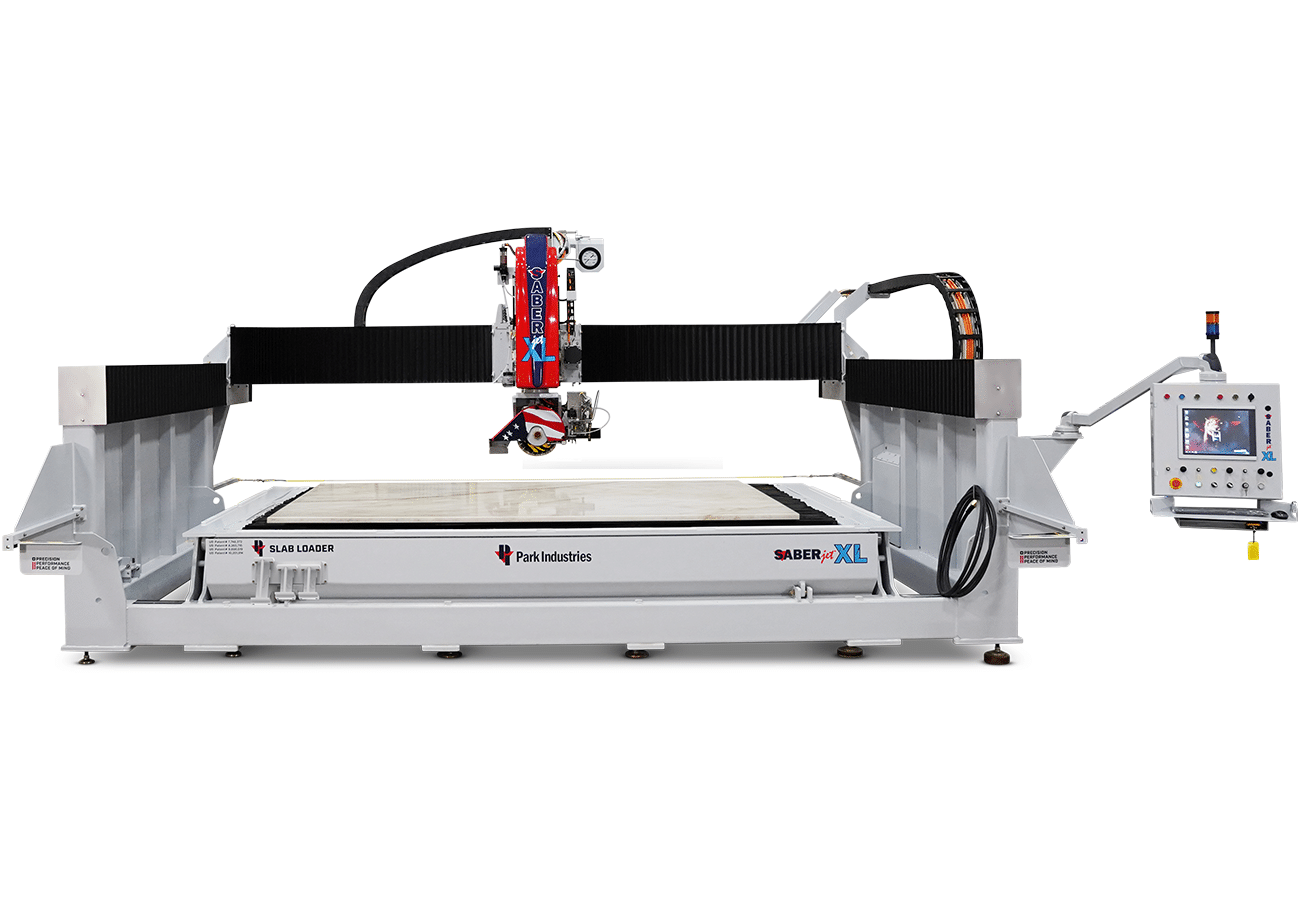
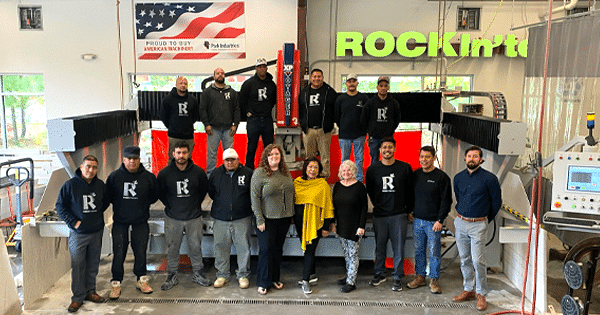
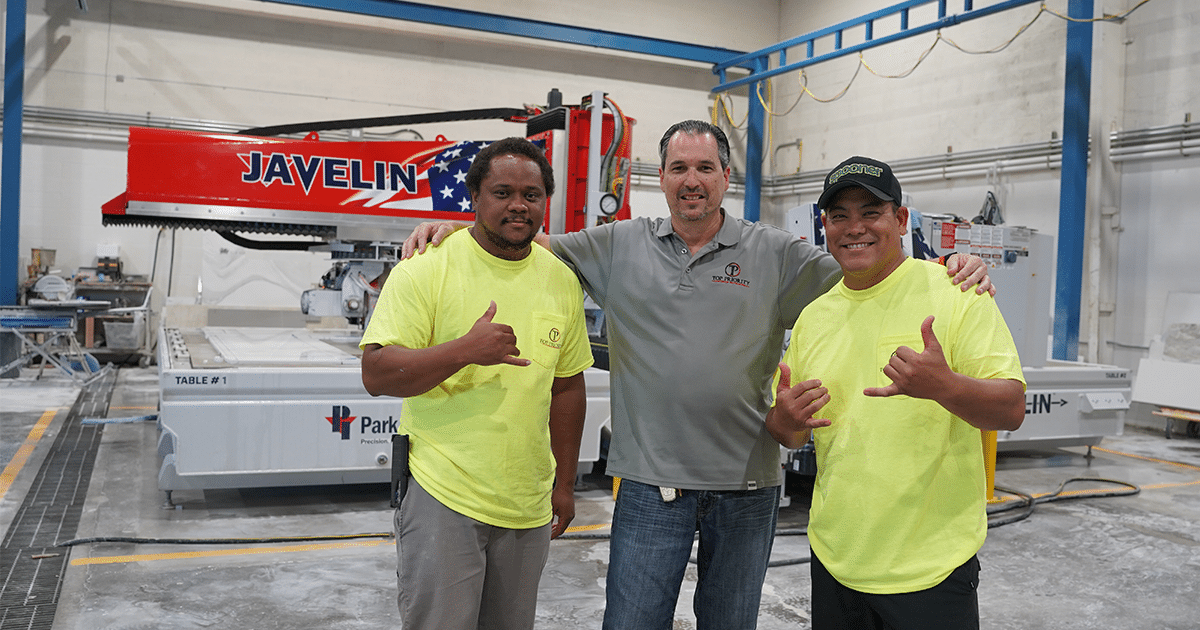
Park’s Evolution Marble & Granite spotlight describes a Union, New Jersey fabricator founded in 2017 by Joe DeMelo and his business partner, Chris. The account distinguishes the detailed work assigned to a SABERjet XP from the production capacity added with a JAVELIN. It also describes supporting router and edge-polishing equipment in a relatively small shop.
Assign a role to each machine
For a business running several cutting stations, the useful exercise is to state what each is expected to handle. One may serve repeated production; another may be preferred for a certain material or demanding project. Write down the routing rule and the person who can approve an exception.
Review what happens when a priority job interrupts the plan. Moving work between machines may require different preparation, tooling or downstream timing. A second saw provides a capability, but the team still needs a consistent method for deciding where a job belongs.
Measure the shared constraints
Track waiting at the router, finishing stations and dispatch area alongside saw output. Space can become a constraint even when cutting capacity is available. The manufacturer’s production figures describe this particular customer account and should not be treated as a target for every shop. The broader lesson is to connect machine assignments to the flow of complete jobs through the building.
Source & further reading
Original analysis of Park Industries’ linked customer spotlight. Company details and reported experiences are attributed to that manufacturer-published account; this is not an interview conducted by our publication.
Editorial approach & corrections →