McKenzie Stone & Tile: moving into digital production in stages
A manufacturer case study shows why the sequence of equipment changes matters.
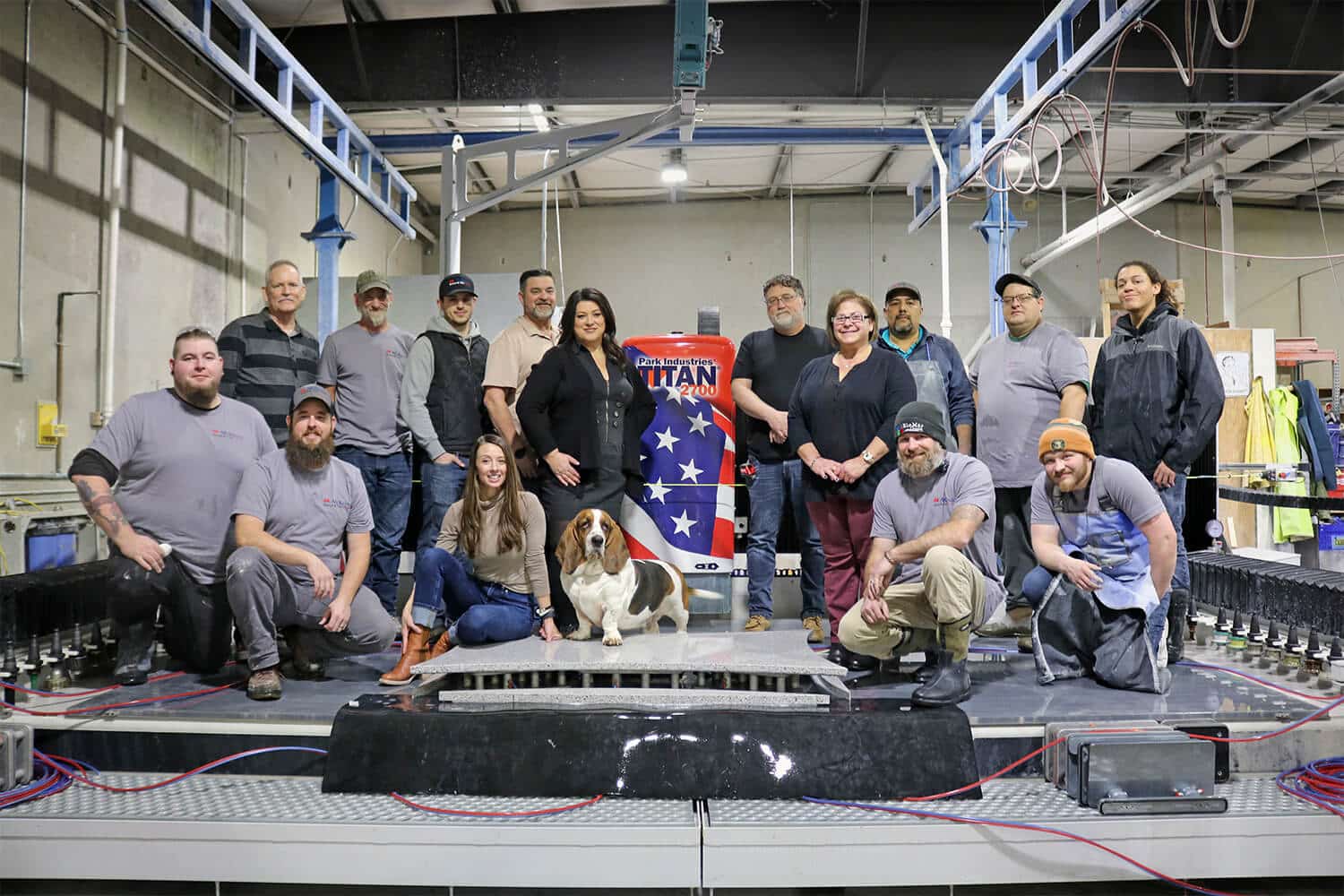
A manufacturer case study shows why the sequence of equipment changes matters.
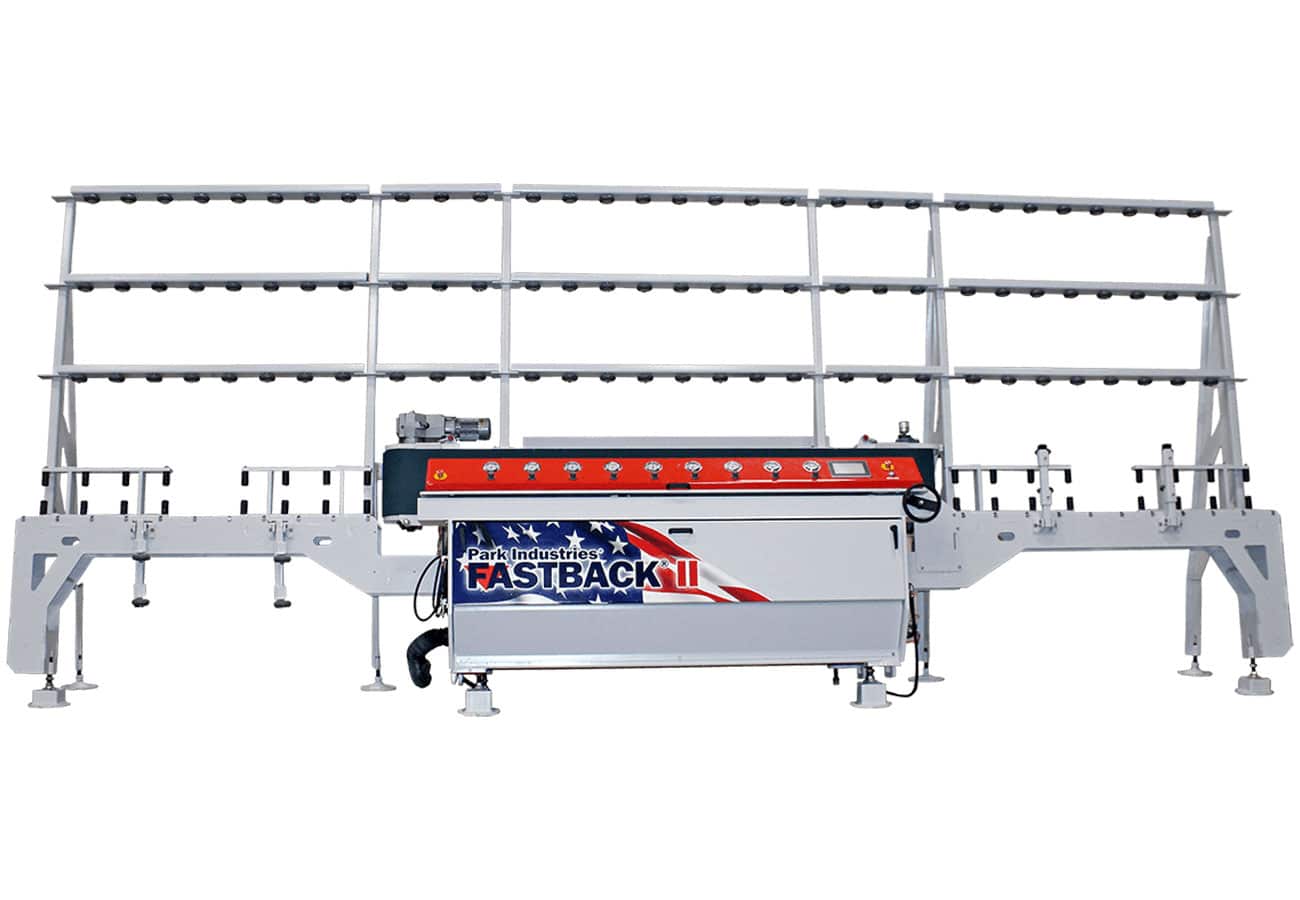
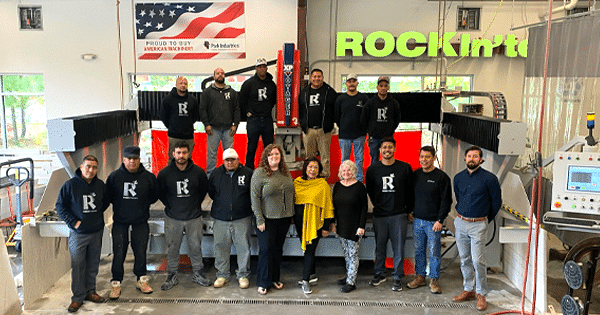
Park’s account of McKenzie Stone & Tile follows a family business in Eugene, Oregon, through several equipment changes under Narelle Hooker’s leadership. It describes a YUKON II bridge saw followed by a VOYAGER XP, FASTBACK II and Pathfinder in 2020, with a TITAN router added afterward. The progression connected cutting, imaging and finishing over time.
Plan the transitions between purchases
For an owner considering a similar move, draw the production route after each proposed stage. Show which operations become digital, which remain manual and who transfers information between them. The transition period deserves its own staffing and scheduling plan rather than being treated as a short interruption between the old shop and the final layout.
Keep a record of what each investment is intended to solve. Cutting capacity, edge-finishing consistency and preparation time are different questions. Reviewing them separately makes it easier to see whether the next purchase addresses a new constraint or an unresolved earlier problem.
Use the story as a question set
The performance comments in the source come from Park’s customer spotlight. They are not independent benchmarks for another business. The useful comparison is the sequence of decisions and the work connecting the machines. A staged investment plan becomes more concrete when each step has an expected role, a training requirement and a way to check the result.
Source & further reading
Original analysis of Park Industries’ linked customer spotlight. Company details and reported experiences are attributed to that manufacturer-published account; this is not an interview conducted by our publication.
Editorial approach & corrections →