CrossCut XP: when a dedicated miter station deserves a place in the shop
Assess the volume, handling and downstream assembly around a specialized cutting operation.
Assess the volume, handling and downstream assembly around a specialized cutting operation.
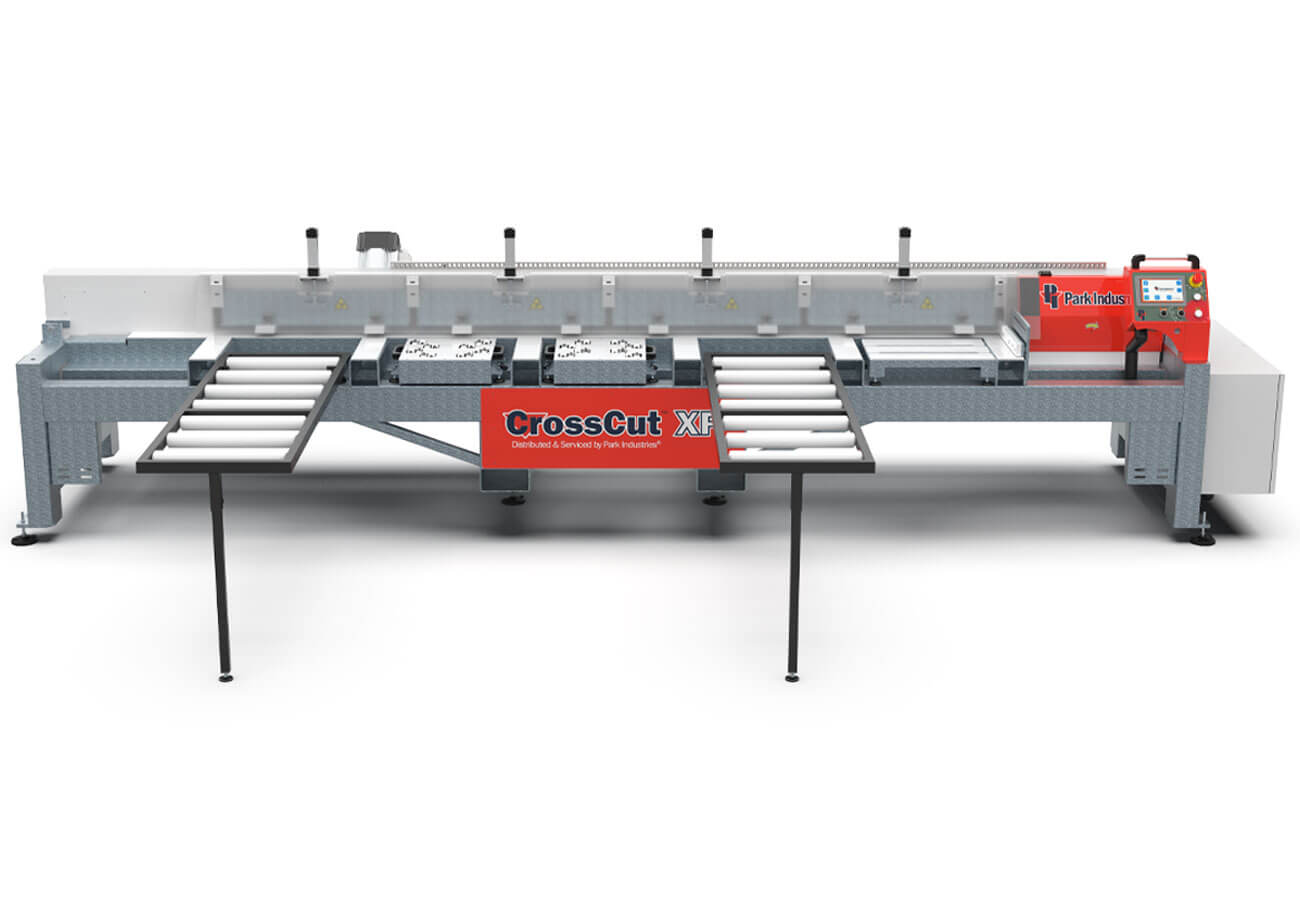
Park positions the CrossCut XP as a dedicated miter saw. The current product description lists a 15-horsepower motor with variable-frequency control, touchscreen controls and conveyor extension options. For a shop producing frequent mitered work, the evaluation begins with the demand for that operation and the space surrounding it.
Follow a mitered assembly
Choose a completed waterfall, apron or similar project and list each component. Record where the pieces were cut, where they waited for mitering, how they were identified and where assembly occurred. That picture reveals whether a separate miter station would remove a recurring delay or simply add another transfer.
During a demonstration, use the material and part lengths common to the business. Ask the supplier to show the proposed support arrangement and discuss the full configuration. Have qualified personnel review handling, installation and operation requirements before equipment is placed.
Protect the assembly record
The pieces belonging to one assembly should remain identifiable after each operation. Carry the approved orientation, visible faces and matching references with them. Record rework by cause so that drawing, cutting and assembly issues do not all become a vague complaint about miters. A dedicated station earns its place when it improves the complete assembly process, including the work before and after the cut.
Source & further reading
Original product reference based on current manufacturer documentation, checked 2026-09-14. Configuration and application need confirmation with the supplier; no independent equipment test is claimed.
Editorial approach & corrections →