TITAN Fab Center: plan for cutting and routing on one machine
Combining operations can simplify a shop, but both operations need space in the schedule.
Combining operations can simplify a shop, but both operations need space in the schedule.
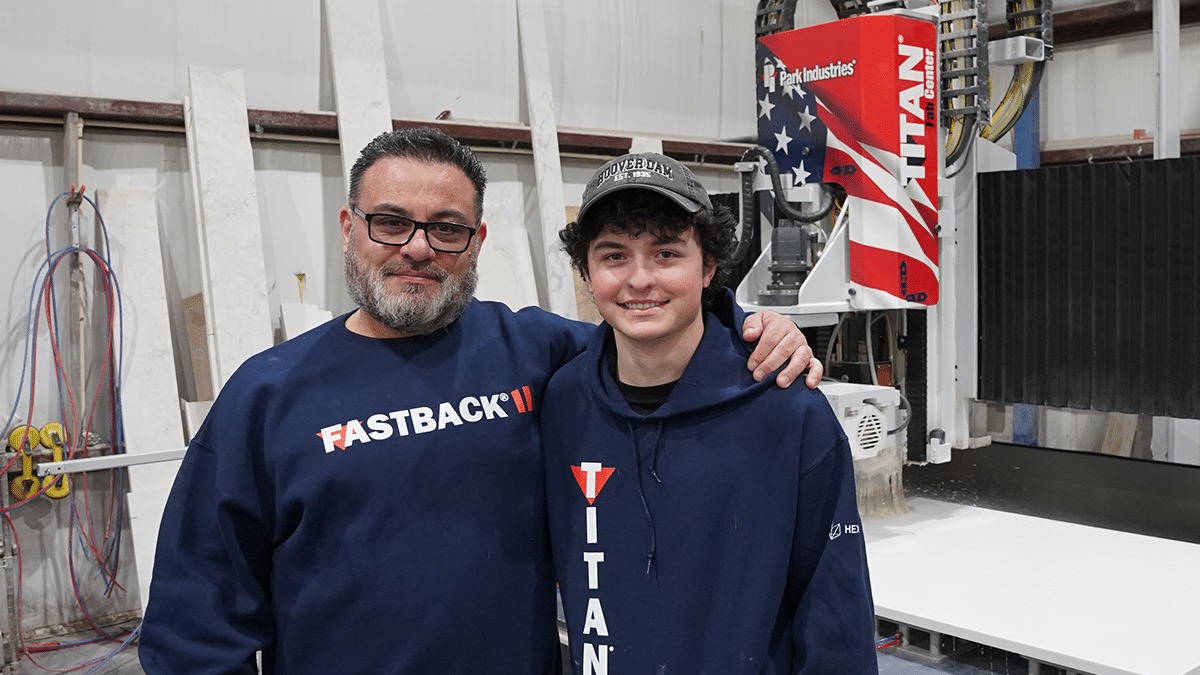
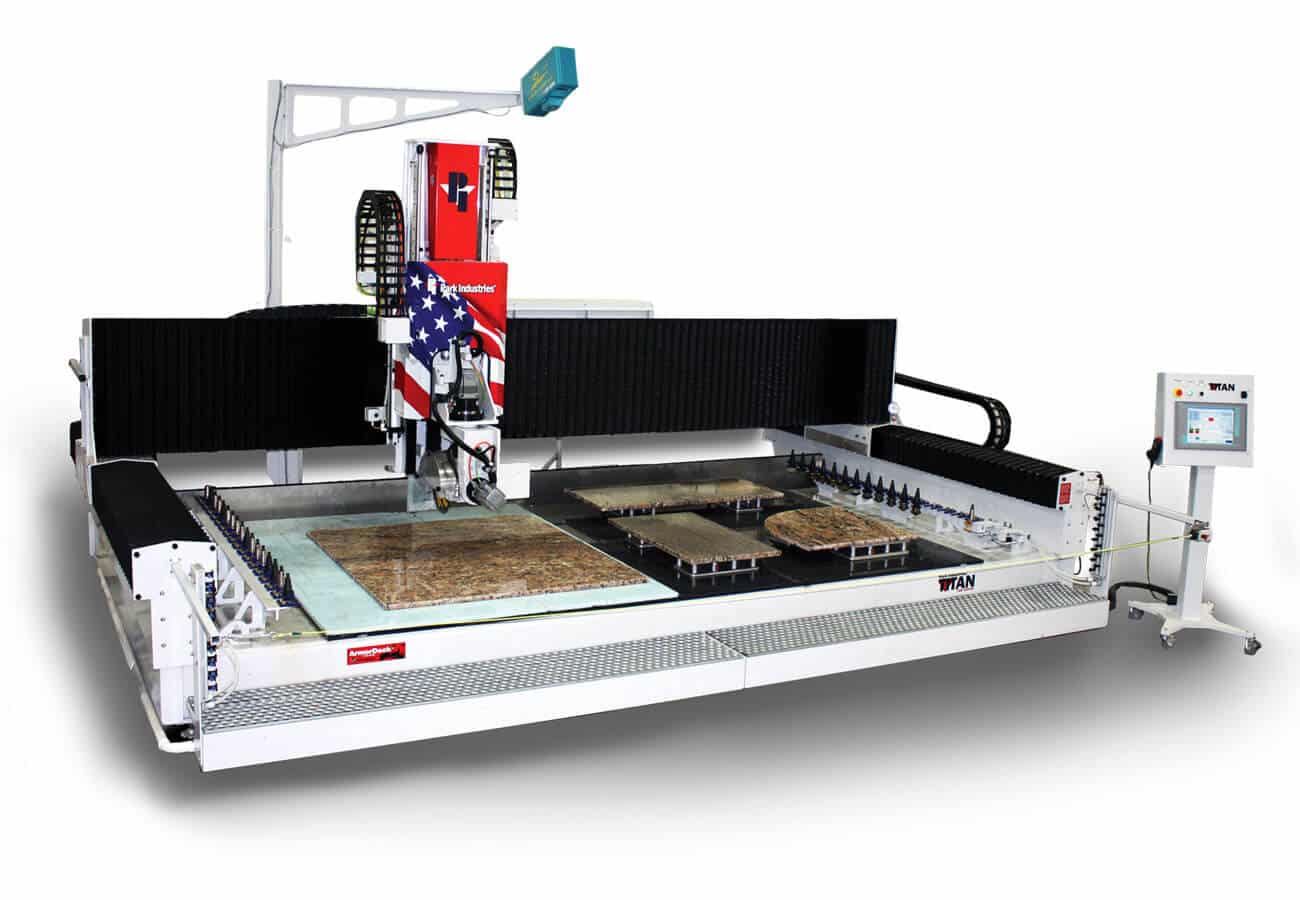
The TITAN Fab Center combines CNC sawing and routing in one machine. Park describes cutting and mitering first, followed by placing parts on vacuum pods for finishing. That sequence is central to evaluating the product: the cutting and routing work share a resource instead of running on separate machines at the same time.
Build a complete shift on paper
List the jobs expected in an ordinary shift, including their cutting, transfer, setup and finishing stages. Place them on a single timeline. Include a job with a demanding edge profile and another with a late drawing change. The purpose is to see how the combined machine would serve the shop’s actual mix of work.
Ask the supplier to demonstrate the transition between operations. Establish who prepares the next program, who identifies the parts and where the finished pieces wait. The shop’s staffing plan should cover these surrounding tasks as well as machine operation.
Keep forecasts tied to assumptions
Published production examples are useful starting points for a conversation, not a substitute for a demonstration of the shop’s jobs. Request the material, geometry, staffing and shift assumptions behind an estimate. A combined machine can be attractive when its sequence matches the business; the evaluation should make that sequence visible before the purchase.
Source & further reading
Original product reference based on current manufacturer documentation, checked 2026-09-14. Configuration and application need confirmation with the supplier; no independent equipment test is claimed.
Editorial approach & corrections →