Donatoni DJ 6.6: evaluate blade and waterjet work as one job sequence
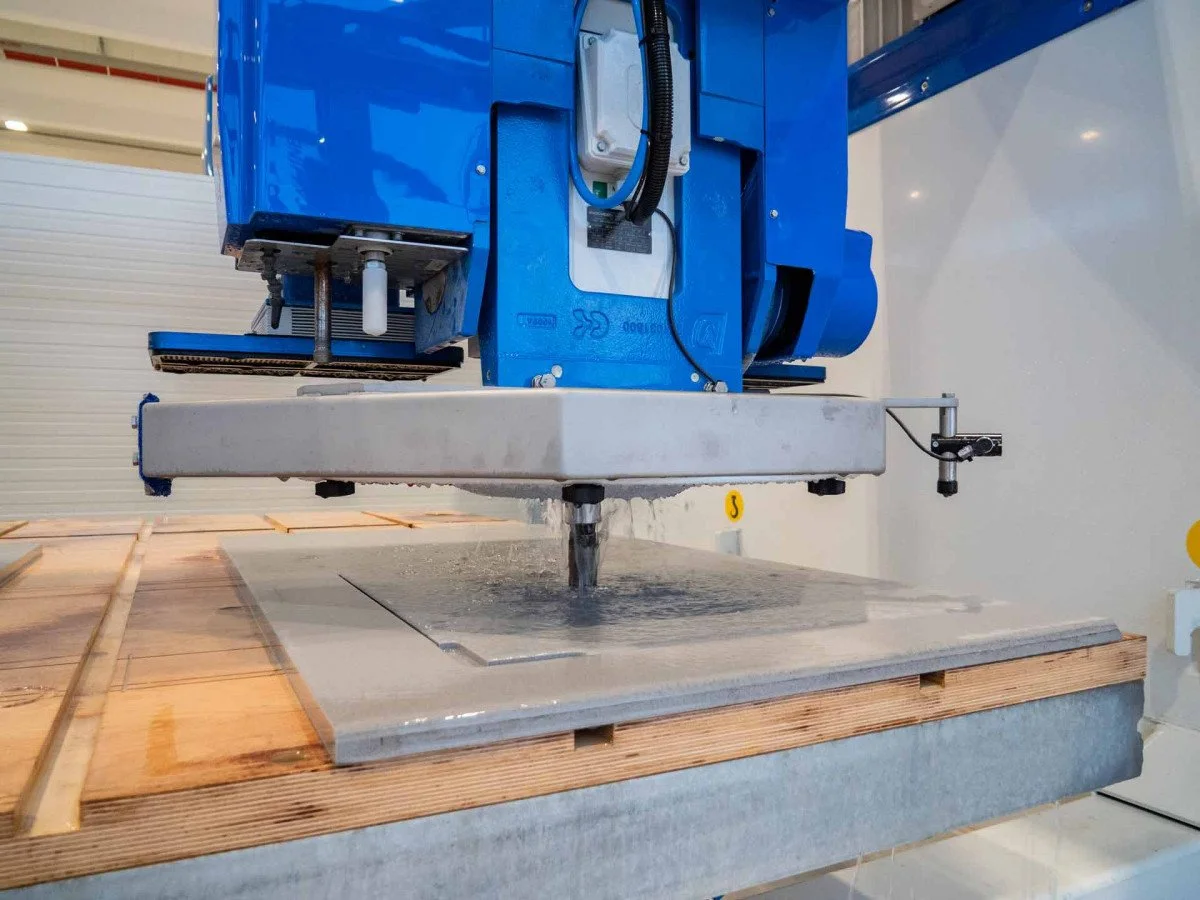
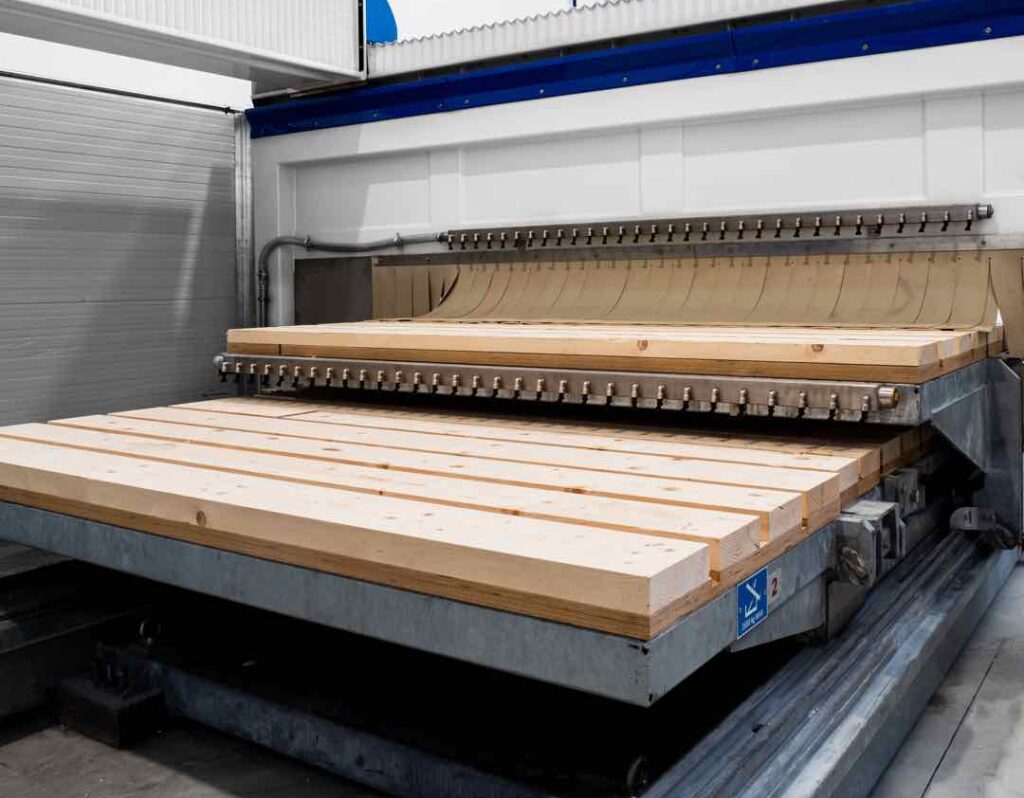
Donatoni’s DJ 6.6 combines disc and waterjet cutting.
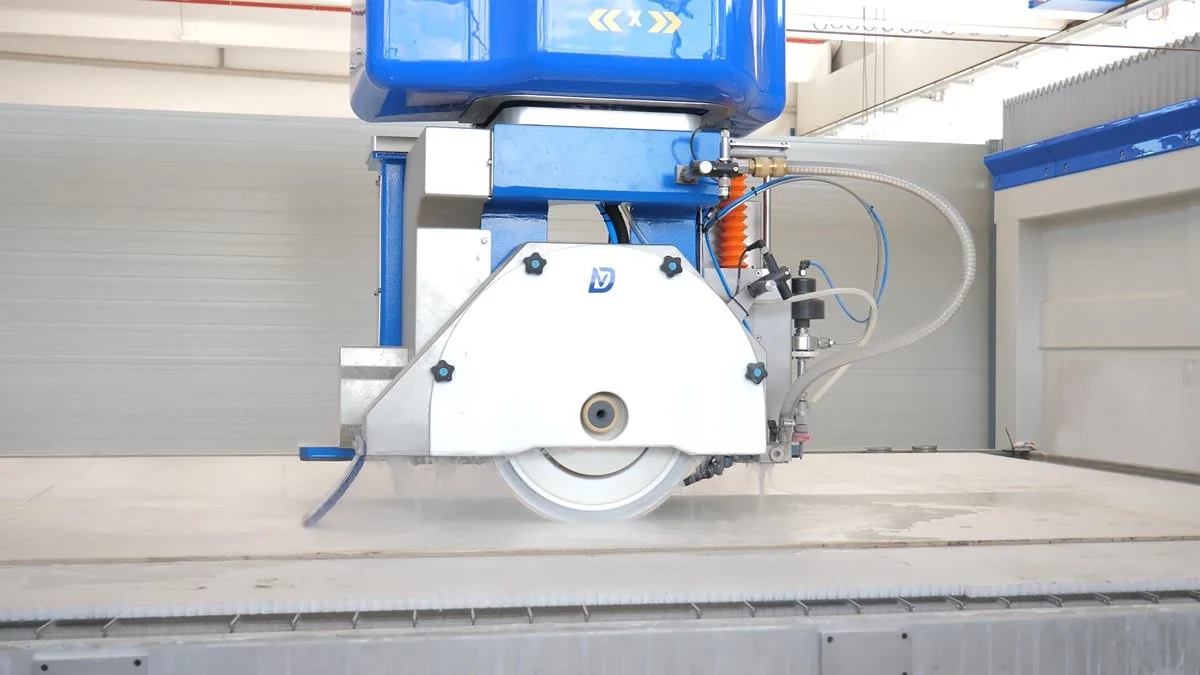
Donatoni’s DJ 6.6 combines disc and waterjet cutting.
Donatoni’s DJ 6.6 combines disc and waterjet cutting. The manufacturer describes configurations and accessories for the cutting process. A fabricator considering this approach should review the sequence of a complete job, including preparation and the transfer to the next operation.
Bring the difficult part of the job
Choose an example that represents the reason for considering combined cutting. Supply an approved practice drawing and identify the required finished result. Let the supplier explain the proposed process, configuration and technical requirements rather than assuming every operation follows the same path.
Record which work remains after cutting. A machine demonstration can look complete while the shop still needs a separate finishing or handling step before the part moves forward. Make those remaining responsibilities visible in the evaluation.
Include the supporting systems
Ask for the supplier’s facility, consumable, maintenance and training requirements for the quoted setup. Give those documents to the people responsible for the installation and ongoing support. Technical operating requirements should come from the manufacturer and qualified personnel.
Compare the full proposal with the shop’s present process using the same job assumptions. Do not turn a cutting demonstration into an annual output or savings claim without a justified model. This product note identifies the decision boundary; it does not establish measured DJ 6.6 performance or suitability for a specific material.
Original editorial analysis of the linked public sources. No firsthand interview, event attendance or independent product test is claimed. Historical source dates describe the source; the publication date above records this article.
Editorial approach & corrections →