Donatoni JET 625: start with the configuration, then judge the fit
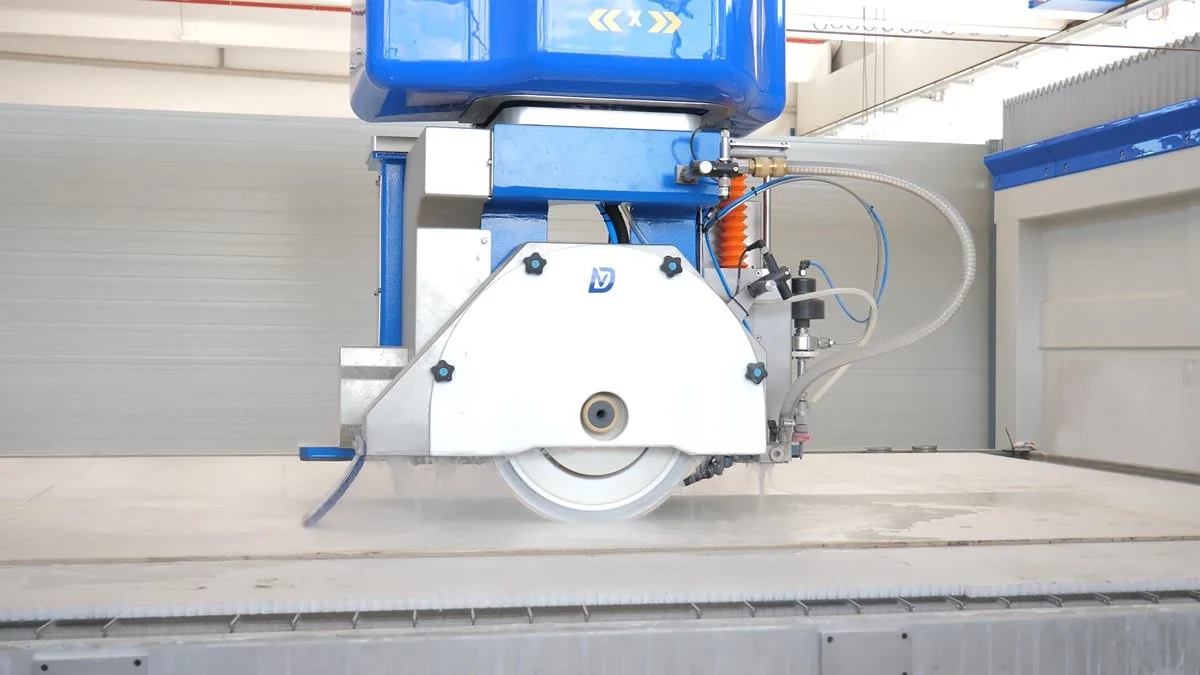
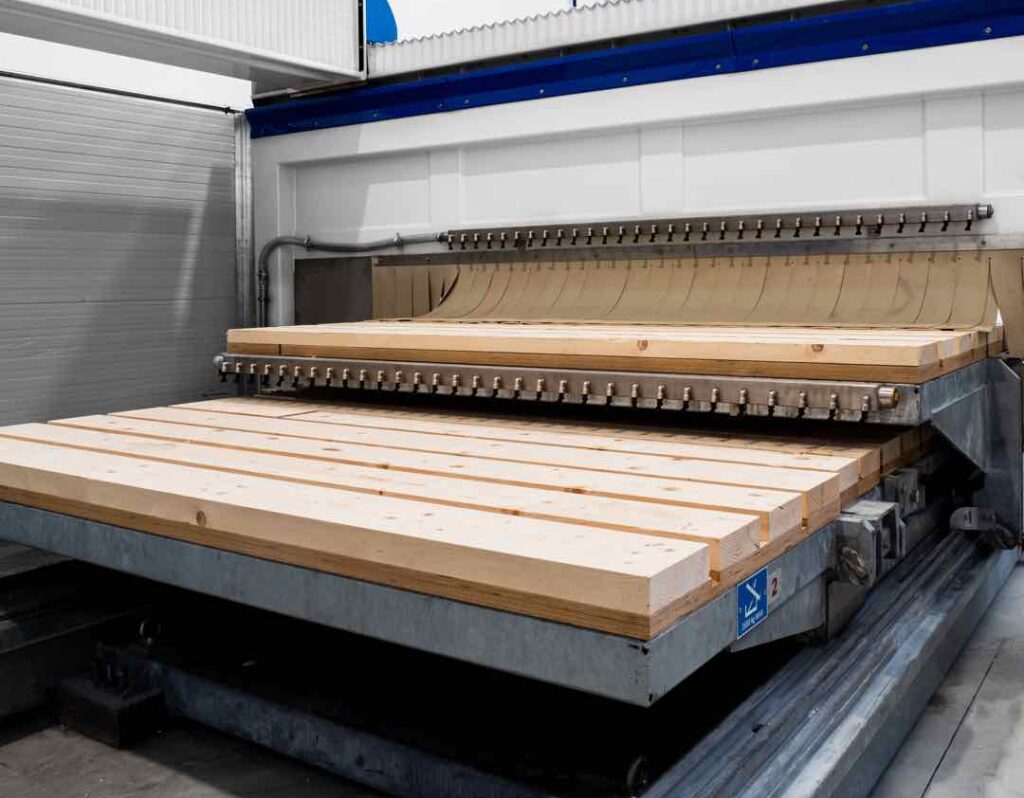
Donatoni presents the JET 625 as a five-axis CNC bridge saw in a monoblock arrangement.
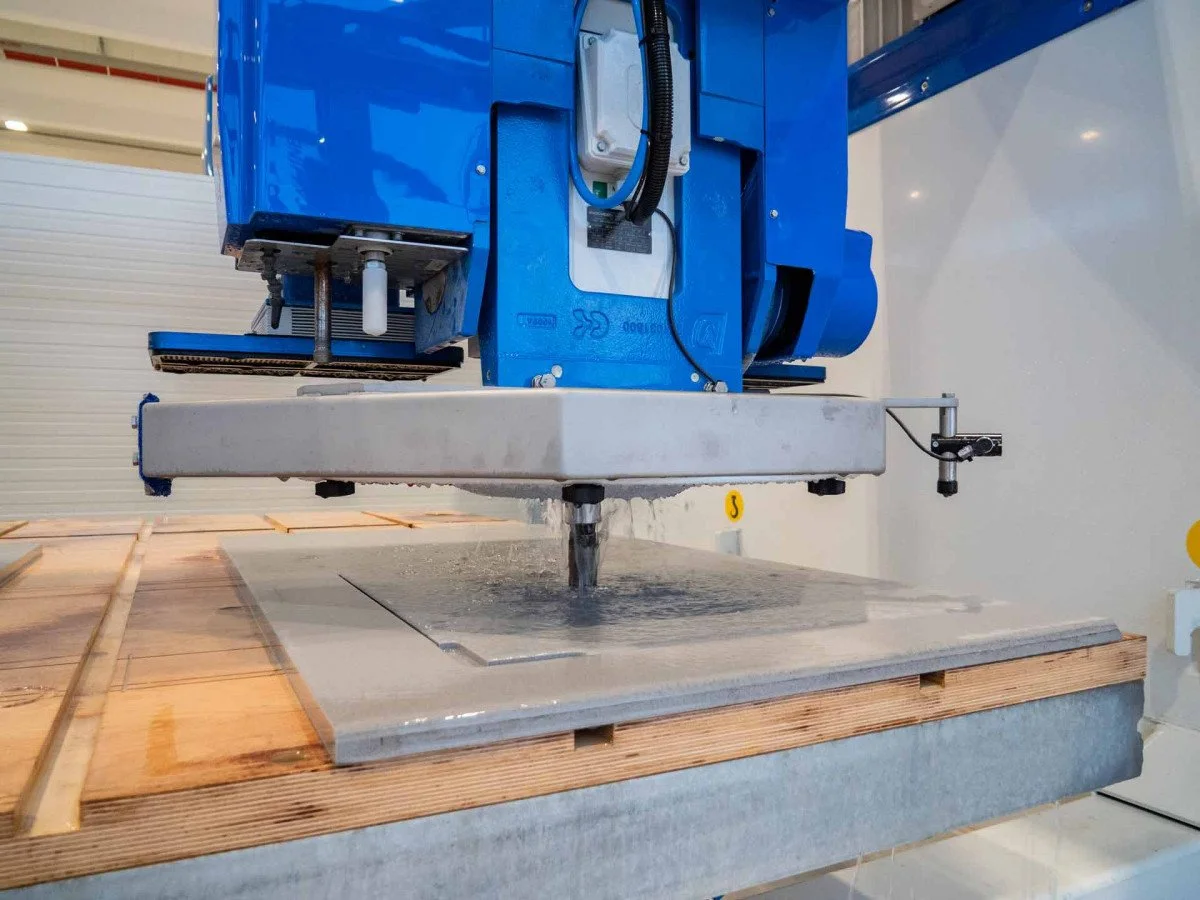
Donatoni presents the JET 625 as a five-axis CNC bridge saw in a monoblock arrangement.
Donatoni presents the JET 625 as a five-axis CNC bridge saw in a monoblock arrangement. Its documentation also lists software and optional equipment. That distinction matters: the machine name alone does not tell a purchaser which working configuration is being proposed.
Make the quotation readable by production
Put the base machine, included equipment and optional items in separate sections. For each optional item, identify the job requirement it is intended to address. A salesperson’s explanation should become a written part of the proposal rather than a detail remembered by only one attendee.
Use representative work to review the configuration. Include the material mix and job types your team actually expects to run. Ask the supplier to identify any preparation or additional equipment required outside the machine itself.
Keep acceptance tied to the supplied setup
Record the demonstrated configuration and software version. If the order changes afterward, review which demonstration conclusions still apply. Include documentation, training and service arrangements in that review.
This is a desk assessment of the JET 625’s documented role, not a production benchmark. A useful buying file explains why each selected option belongs in the shop and what evidence remains to be gathered before acceptance. That file also gives a future production manager a clearer starting point than a machine name on an old invoice.
Original editorial analysis of the linked public sources. No firsthand interview, event attendance or independent product test is claimed. Historical source dates describe the source; the publication date above records this article.
Editorial approach & corrections →